


The Easiest Way to Troubleshoot Heat Pump Noise
Troubleshoot heat pump making grinding or rattling noise with safe DIY steps and expert repair in San Gabriel Valley.

By Piggies Air Conditioning HVAC Team ·
What a Heat Pump Making Grinding or Rattling Noise Is Telling You
If your heat pump making grinding or rattling noise sounds like something is seriously wrong — it probably is. These are two of the most common warning signs that a heat pump needs attention, and they account for roughly 18% of all HVAC service calls during winter months.
Here is a quick breakdown of what these noises usually mean:
| Noise Type | Most Likely Cause | What to Do |
|---|---|---|
| Rattling | Loose panel, debris, or hardware | Inspect outside unit; call a pro if it continues |
| Grinding | Worn bearings, failing motor, or misaligned fan blade | Turn off the unit and call for service |
| Screeching | Worn belt or dry blower motor | Shut down immediately |
| Buzzing | Electrical issue or faulty contactor | Do not ignore — call a technician |
| Whooshing | Normal defrost cycle | No action needed |
Think of it like a creaky door or a clanking car engine — unusual sounds are your system's way of flagging a problem before it turns into a costly breakdown. A healthy heat pump runs between 50 and 70 decibels, producing a steady, quiet hum and the occasional soft whoosh during airflow changes. Anything beyond that deserves a closer look.
In this guide, Piggies Air Conditioning walks you through how to safely identify the source of the noise, what causes it, and when to call a professional in the San Gabriel Valley.

Identifying a Heat Pump Making Grinding or Rattling Noise
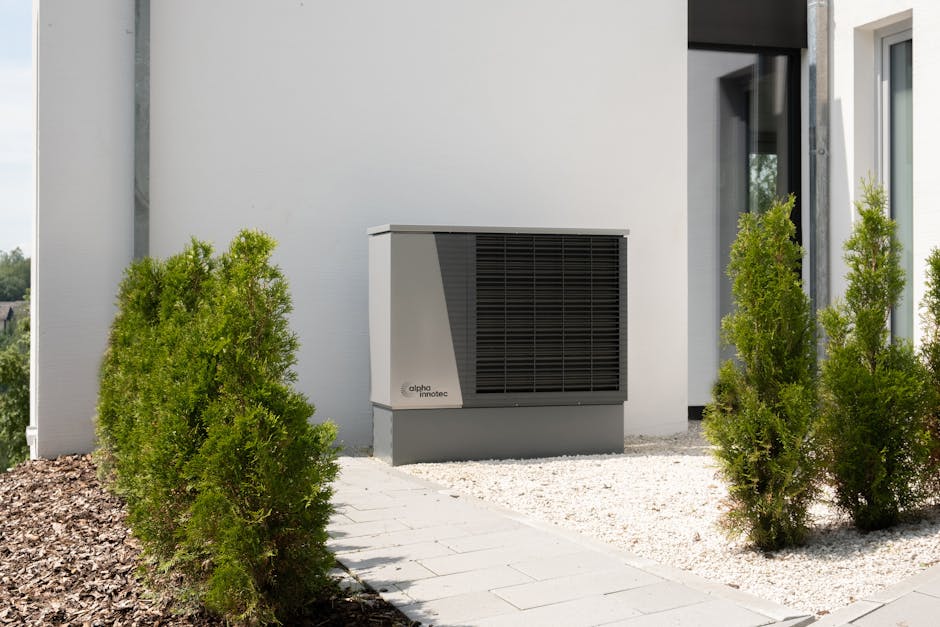
When your system is running correctly, it’s easy to forget it’s even there. A standard heat pump produces a steady, rhythmic hum that stays within a comfortable volume range. You might also hear a soft whoosh of air when the fans kick on or change speeds. To understand how these sounds fit into the bigger picture, it helps to know How Does a Heat Pump Work for Heating and Cooling. Essentially, the unit is moving heat rather than creating it, which requires several moving parts to work in harmony.
Most modern units operate at about 50-70 decibels—roughly the volume of a normal conversation or a quiet dishwasher. However, if that hum turns into metal-on-metal contact or a vibrating shudder, you’re dealing with a heat pump making grinding or rattling noise. These sounds often indicate that vibration is being transferred from a loose internal component to the outer cabinet, or that a mechanical part is physically failing.
During the winter months in May 2026, you might also notice a louder shift in sound followed by a puff of steam. This is often the defrost cycle. While it sounds dramatic, it is a normal part of operation designed to melt ice off the coils. However, if the noise is a persistent, harsh grinding, it is a clear sign of trouble.
Normal Operational Sounds vs. a Heat Pump Making Grinding or Rattling Noise
Distinguishing between "happy" sounds and "help me" sounds is the first step in troubleshooting.
- Normal Sounds: A steady compressor hum, the sound of air moving through the vents, and a brief "sighing" sound when the reversing valve switches modes.
- Abnormal Sounds: If the hum becomes a loud, strained buzzing, or if you hear a repetitive clatter, the system is struggling.
Interestingly, grinding or rattling noises are among the top 3 reasons homeowners in our area schedule service. If you’ve ever wondered Why My AC Making That Grinding Noise, the causes are often similar to heat pump issues: something is loose, something is broken, or something is stuck where it shouldn't be.
When a Heat Pump Making Grinding or Rattling Noise Requires Immediate Attention
Not every noise requires an emergency call, but certain sounds are "red alerts." If you hear a persistent grinding sound, it often means the motor bearings have lost their lubrication. Running the unit in this state can cause the motor to seize entirely, leading to a much more expensive repair.
Similarly, loud electrical buzzing or sharp screeching should prompt you to check for Signs Your Heat Pump Needs Repair. If the noise is accompanied by a burning smell or the system frequently trips your circuit breaker, shut the unit off at the thermostat and the breaker immediately. Ignoring these signs poses safety risks and can lead to total system failure.
Common Causes for a Noisy Heat Pump in San Gabriel Valley
Living in Southern California, from Pasadena to West Covina, our heat pumps deal with unique environmental factors. While we don't get the heavy snow of the mountains, we do deal with wind-blown debris, dust, and occasional freezing temperatures in the foothills that can stress a system. Statistics show that approximately 22% of heat pump failures in cold climates are linked to ice or debris interfering with fan blades.
If you need Heat Pump Service West Covina CA, our team often finds that the noise stems from one of several common culprits:
- Fan Blade Misalignment: If a blade is slightly bent or loose, it will strike the metal shroud, creating a rhythmic "clack" or grinding sound.
- Worn Bearings: Over time, the bearings in the fan motor or compressor can wear down, leading to a harsh, high-pitched grinding.
- Lack of Lubrication: Older motors require regular oiling; without it, metal parts rub together.
- Refrigerant Imbalance: If the refrigerant charge is off by even 10-15%, the compressor can become strained, leading to a deep, vibrating rattle.
Loose Components and Hardware
Sometimes the loudest noises have the simplest causes. The constant vibration of the compressor can eventually loosen the screws holding the access panels in place. When these panels vibrate against the frame, it sounds much worse than it actually is.
We also see cases where the mounting bolts for the motor have vibrated loose. In homes with brick exteriors, this vibration can actually be amplified by the wall cavity, making the noise echo through the house. Using vibration-dampening pads under the unit can help, but tightening those panel screws is usually the first line of defense.
| Sound | Potential Cause | Severity |
|---|---|---|
| Rattling | Loose panels, loose motor mounts, or small debris | Low to Medium |
| Grinding | Worn motor bearings or fan hitting the casing | High - Shut down unit |
| Clicking | Faulty capacitor or electrical contactor | Medium - Requires Pro |
Environmental Factors and Debris
Even in our relatively mild 2026 weather patterns, nature can be tough on HVAC equipment. Sticks, leaves, and even small stones can fall through the top of the outdoor unit. When the fan turns on, these objects get tossed around like lottery balls, creating a frantic rattling sound.
In the clay-heavy soils found in parts of the San Gabriel Valley, soil movement can cause the concrete pad under your heat pump to tilt. If the unit isn't level, the oil in the compressor won't settle correctly, and the fan may become unbalanced, leading to—you guessed it—more noise.
How to Safely Troubleshoot Your Outdoor Unit
Before you call us for a repair, there are a few safe steps you can take to narrow down the problem. Safety First: Never stick your hands, tools, or any objects inside the unit while it is powered on.
- Check the Thermostat: Ensure the noise happens in all modes (Heating, Cooling, and Fan-Only). If it only happens in "Heat," it could be a defrost or reversing valve issue.
- The Visual Inspection: From a safe distance, look through the top grille with a flashlight. Can you see a branch or a pile of leaves? If you see debris, turn the power off at the outdoor disconnect switch before attempting to remove anything reachable from the outside.
- Check the Panels: Gently press your hand against the side panels of the unit (be careful of hot surfaces). If the rattling stops when you apply pressure, you’ve likely found a loose screw.
- Document the Symptoms: Take a quick video of the sound on your phone. Note if the noise happens only at startup, during the middle of a cycle, or when the unit is shutting down. This information is gold for a technician.
Avoid any DIY disassembly. Heat pumps contain high-voltage electricity and pressurized refrigerant. Opening the cabinet can void your warranty and put you at risk of injury.
When to Call for Professional Heat Pump Repair in Pasadena CA
If your visual inspection didn't reveal a simple fix like a loose screw or a stray twig, it’s time to call in the experts. For homeowners needing Heat Pump Repair Pasadena CA, we use specialized diagnostic tools that go far beyond what the human ear can detect.
Our technicians use vibration meters to pinpoint exactly which component is out of balance. We also perform refrigerant leak testing and check the health of your capacitor. A failing capacitor often makes a clicking or buzzing sound before it dies, leaving you without heat or AC.
At Piggies Air Conditioning, we are proud to be a Daikin Comfort Pro dealer. This means we provide top-tier service and can offer an incredible 12-year full replacement and labor warranty on Daikin units. If your noisy motor is beyond repair, we ensure the replacement is seamless and protected for the long haul.
Preventing Mechanical Failure with Annual Maintenance
The best way to deal with a heat pump making grinding or rattling noise is to prevent it from ever starting. Research shows that heat pumps receiving annual professional maintenance are 35% less likely to develop mechanical issues like worn bearings.
When you schedule Heat Pump Maintenance Los Angeles County CA, we do more than just a "look-over." We perform a deep clean of the condenser coils, lubricate all moving parts, and tighten every electrical connection and mounting bolt.
Many people ask, "Do Heat Pumps Need Different Maintenance Than AC Units?" The answer is yes. Because heat pumps work year-round to both heat and cool your home, they accumulate twice the wear and tear of a standard AC. Regular tune-ups ensure that small vibrations don't turn into major mechanical failures, effectively doubling the lifespan of your system.
Frequently Asked Questions about Heat Pump Noises
Why is my heat pump louder in cold weather?
In cold weather, your heat pump has to work harder to extract heat from the outside air. This increases the pressure within the system, which can make the compressor sound a bit louder. Additionally, the unit will periodically enter "defrost mode" to melt ice on the coils, which creates a temporary whooshing or bubbling sound.
Can a low refrigerant charge cause grinding sounds?
Yes. Refrigerant acts as a carrier for the oil that lubricates your compressor. If the refrigerant level is low (usually due to a leak), the compressor doesn't get enough oil. This causes internal friction, which sounds like a deep grinding or growling noise.
Is it safe to run my heat pump if it is rattling?
If it is a simple loose panel rattle, it is generally safe but annoying. However, if the rattling is coming from inside the unit, it could be a fan blade about to break or a motor mount that has failed. It is always best to have it inspected before a small rattle becomes a total system breakdown.
Conclusion
A heat pump making grinding or rattling noise is more than just a nuisance; it’s a cry for help from one of your home’s most important appliances. Whether it’s a simple loose screw or a motor bearing reaching the end of its life, addressing the sound early can save you from a cold night and a hefty repair bill.
Piggies Air Conditioning has been the trusted name in the San Gabriel Valley and West Covina for years. From our Baldwin Park showroom to your front door, we provide honest, expert HVAC service that keeps your home comfortable in every season. Don't let a small noise turn into a big problem.
Schedule your professional inspection for heat pumps today and let our family take care of yours!

Ready to stop sweating like me?
Book your service or estimate today. When comfort matters, count on Piggies. Fast, friendly, NATE-certified comfort across Southern California.